
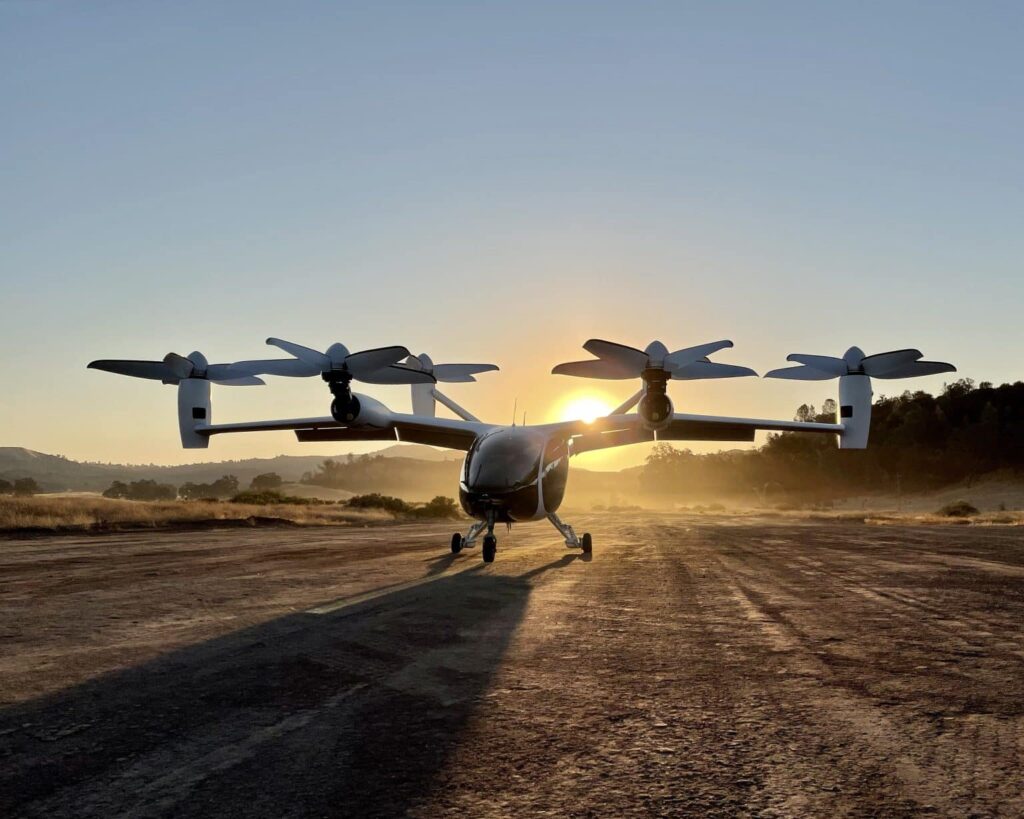
Dubai continues to lead the way in futuristic transport in the world. The city has a reputation of mobility innovations and it is planning to launch electric vertical take-off and landing (eVTOL), or what is known as flying taxis in Dubai and commercial flight will start in 2026. This groundbreaking project will transform the concept of urban commuting as it will hugely cut down the travelling time and decrease the road congestion.
The flying taxi project is one of the significant moves towards making Dubai a vision of being the smartest and most sustainable city in the world with the support of the government authorities and other global aviation tech companies.
Also look for 10 Genius Tips We Wish We Had Known When Moving To Dubai
What Are Dubai’s Flying Taxis?
The flying taxis of Dubai are completely electric, autonomous or semi-autonomous air taxis, which are used to travel short distances within the city. These machines also have more than one rotor unlike the traditional helicopters, which can take off and land vertically without having runways such as long runways.
They are more efficient, less polluting and far less noisy than the traditional air transport solutions. The flying taxis will have a pilot on board at the start of operation, and it will switch to autonomous operations at a later stage.
When Will Flying Taxi Launch in Will Dubai?
This milestone in urban air mobility has been set to be launched in 2026.
Timeline highlights:
- Test flights and certification: 2024-2025.
- Vertiport and infrastructure development on-going until 2025.
- Commercial launch: 2026
The implementation is in line with other transportation policies that are concerned with sustainability, innovation, and intelligent mobility.
Where will Flying Taxis fly in Dubai?
The initial stage of operation will be based in major commercial and residential centers in the city. The vertiports, landing hubs and take-off hubs are also being strategically located to enhance connectivity and convenience.
The first targeted destinations are:
- Downtown Dubai
- Dubai international airport region.
- Palm Jumeirah
- Dubai Marina
These were chosen because of the large population density, tourist flow, and economic significance.
How Flying Taxis Will Change Travel Times
Traveling time within the city is one of the largest benefits of flying taxis since it will reduce it to a minimum. The time spent on the roads can be cut to less than 10 minutes on the air instead of 45 minutes up to one hour.
For example:
- Palm Jumeirah to Airport: around 10 minutes.
- Marina to downtown: less than 12 minutes.
This performance has made the service especially appealing to business travelers, vacationers and commuters who are time sensitive.
Passenger Capacity and Aircraft Design
Flying taxis that are introduced in Dubai are comfortable and safe. The aircraft have closed cabins, expansive windows and superior flight control systems.
Key design features include:
- The seating capacity of the vehicle is up to four passengers.
- One pilot in the initial stages of operations.
- Fully electric propulsion
- None of direct carbon emissions.
- Noises that are far much less than that of helicopters.
These properties render the service applicable in the dense urban setting.
Safety and Regulations
In the implementation of flying taxis, safety is one of the main concerns. It should have high quality in the aviation standards and extensive testing should be done before the aircraft is given the approval to fly.
Safety measures include:
- Several duplicate propulsion systems.
- High technology obstacle detection.
- Emergency landing procedures.
- Air traffic and real-time tracking.
The aviation agencies in Dubai are in close collaboration with foreign regulators to make sure that they meet international safety standards.
Pricing and Accessibility of Tickets
Although flying taxis are likely to appeal to high-income users, the government plans to open the service to a larger audience in the long run.
At the beginning, the prices will probably be similar to the high-end ride-hailing or helicopter transfers. With the increase in the scale of the operations and the maturity of technology, the costs are to lower, turning the service more mainstream.
Environmental Impact and Sustainability
Flying taxis are in line with the sustainability objectives of Dubai because they will be providing an environmentally friendly alternative to vehicles which use fuels. Being electric-based airplanes, they emit no direct emissions and contribute to alleviating the road congestion, which subsequently decreases the total amount of the pollution.
The project will help Dubai in fulfilling its long-term goal of decreasing its carbon footprint and moving to greener methods of transport.
Economic and Tourism Impact
It is projected that, with the introduction of Dubai flying taxis 2026, tourism will be enhanced, global investment will be attracted, and additional jobs will be developed in the aviation, technological, and infrastructure industries.
Taxi flying will also favour the fashionable notion of Dubai as a metropolis with advanced thinking, as it contributes to the image of the metropolis of innovations and development of smart cities.
What This Means for Residents and Visitors
In the eyes of the residents, flying taxis provide them with an alternative means of moving around the city without necessarily using a lot of time in rush hour. To the tourists, the service is an additional experience of transport along with air sightseeing.
In the long run, flying taxis might become part of the multimodal transport system in Dubai, which operates in collaboration with metro systems, autonomous vehicles, and conventional taxis.
Final Thoughts
The introduction of flying taxis is a disruptive advancement in city transportation. The city has advanced technology, strategic planning, and good regulatory supervision and is looking forward to redefine movement of people in the urban areas.
Since the release of the 2026 Dubai flying taxis details keeps being announced, one thing is certain, Dubai is not merely making plans, it is in fact constructing them.


